How Is Glutathione Injection Metabolized in the Body?
- Hassan Dynamic
- May 30
- 4 min read

How Is Glutathione Injection Metabolized in the Body? is a frequently discussed topic among individuals exploring antioxidant-based wellness approaches and cellular detoxification pathways. The interest is especially strong in regions like Dubai, where aesthetic and preventive health treatments are widely sought after. Many people researching wellness therapies also come across Glutathione injection in dubai while comparing options, particularly through clinics such as Dynamic Life Clinic, where discussions around antioxidant support and metabolic health are commonly explored. Understanding how the body processes glutathione injections helps clarify why this molecule plays such an important role in internal detoxification and skin-related wellness outcomes.
Understanding Glutathione and Its Role
Glutathione is a naturally occurring tripeptide composed of three amino acids: cysteine, glutamic acid, and glycine. It functions as one of the body’s primary antioxidants, protecting cells from oxidative stress and free radical damage. In its reduced form, glutathione actively participates in neutralizing toxins and maintaining cellular balance.
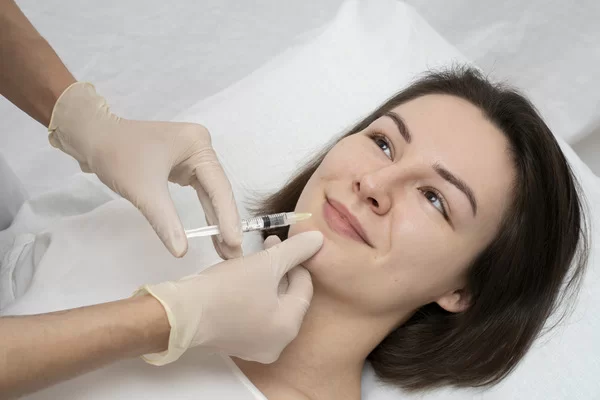
The body produces glutathione primarily in the liver, which is also the central organ responsible for detoxification. When administered through injection, it bypasses the digestive system and directly enters systemic circulation, making its availability faster compared to oral forms. This mechanism is one reason why injectable glutathione is widely studied in clinical and wellness settings.
How Glutathione Injection Is Processed in the Body
Once glutathione is injected, it enters the bloodstream and begins circulating through tissues almost immediately. The liver acts as the main processing hub, where glutathione supports Phase I and Phase II detoxification pathways. These pathways are essential for transforming fat-soluble toxins into water-soluble compounds that can be eliminated through urine or bile.
Inside cells, glutathione undergoes continuous recycling. It exists in two forms: reduced (active) and oxidized (used). The body constantly converts oxidized glutathione back into its active form using enzymes like glutathione reductase. This recycling system allows a single molecule to be reused multiple times before it is eventually broken down.
Key metabolic actions include:
Neutralization of reactive oxygen species (ROS)
Binding and elimination of heavy metals and toxins
Support for liver enzyme activity
Regulation of immune system responses
This continuous cycle is what makes glutathione a central component of cellular defense systems.
Absorption and Distribution Pathways
Unlike oral supplements that must pass through the gastrointestinal tract, injected glutathione is directly available in the bloodstream. This significantly changes how it is distributed across the body. After administration, it quickly reaches high-perfusion organs such as the liver, kidneys, and skin tissues.
The distribution process involves transport through plasma and uptake by cells via specific membrane transporters. Once inside the cells, glutathione integrates into antioxidant defense systems and participates in redox reactions that maintain cellular stability.
Important distribution characteristics include:
Rapid uptake by liver hepatocytes
Penetration into skin cells and connective tissues
Temporary elevation in systemic antioxidant capacity
Interaction with vitamin C and other antioxidants to enhance recycling efficiency
This systemic distribution explains why its effects are often observed across multiple physiological systems rather than being limited to a single target area.
Metabolic Breakdown and Detoxification Cycle
The metabolism of glutathione is closely tied to the body’s detoxification cycle. After performing its antioxidant function, glutathione binds with toxins through a process called conjugation. This makes harmful substances more water-soluble and easier to excrete.
The breakdown process follows a structured pathway:
Glutathione binds to toxins via glutathione S-transferase enzymes
Conjugated toxins are transported to bile or urine pathways
Breakdown products are eliminated from the body
Oxidized glutathione is recycled back into active form when possible
In cases where glutathione levels are consistently supported, the detoxification system operates more efficiently, reducing oxidative stress accumulation in tissues. The liver plays a particularly active role in this cycle, ensuring that metabolic waste products are processed effectively.
Factors That Influence Effectiveness
The way glutathione is metabolized can vary depending on several physiological and lifestyle factors. These variables affect how efficiently the body utilizes and recycles the compound.
Key influencing factors include:
Liver health and enzymatic function
Nutritional status, especially levels of vitamin C and selenium
Exposure to environmental toxins and pollutants
Oxidative stress levels caused by lifestyle or illness
Hydration and overall metabolic rate
Individuals with higher oxidative stress may experience faster utilization of glutathione, as the body consumes more antioxidants to maintain balance. Conversely, a well-supported metabolic system may recycle glutathione more efficiently, extending its functional presence in cells.
Safety Considerations and Physiological Response
Glutathione is naturally produced in the body, which makes it biologically compatible with human metabolic systems. However, its injectable form introduces a concentrated dose that interacts rapidly with detox pathways. This response can vary depending on individual physiology and underlying health conditions.
The body typically processes glutathione without difficulty through standard metabolic pathways in the liver and kidneys. During this process, temporary shifts in antioxidant levels may occur as the system adjusts to increased availability.
Physiological responses are influenced by:
Baseline antioxidant levels in the body
Rate of hepatic metabolism
Cellular demand for detoxification
Interaction with other nutrients involved in redox balance
Understanding these factors helps explain why responses to glutathione therapy can differ among individuals, even when similar protocols are followed.
Conclusion
The metabolism of glutathione injections is a complex but highly efficient biological process centered around liver detoxification, cellular recycling, and antioxidant defense. Once introduced into the bloodstream, glutathione integrates into natural biochemical pathways that regulate oxidative stress and toxin elimination. Its continuous recycling mechanism allows it to support multiple cellular functions before being broken down and excreted, reflecting the body’s tightly regulated detoxification system.


Comments