Can Acne Scar Treatment Improve Skin Texture?

Acne can leave more than temporary blemishes behind. Once active breakouts disappear, many people are left with uneven areas, rough patches, enlarged-looking pores, or depressed scars that affect the overall smoothness of the skin. The good news is that modern Acne Scar Treatment in Dubai can help improve these texture concerns by encouraging healthier skin renewal and supporting collagen production.
While results depend on the type and depth of scarring, properly selected treatments can make the skin appear smoother, more refined, and more even over time. Understanding how these treatments work can help you make informed decisions about improving acne-damaged skin.
Why Does Acne Cause Uneven Skin Texture?
Acne can affect the deeper layers of the skin, particularly when inflammation is severe or breakouts are repeatedly picked or squeezed. As the skin heals, changes in collagen production can leave behind permanent or semi-permanent textural irregularities.
Some scars develop when too little collagen is produced during healing, creating depressions in the skin. Others may involve excess tissue and appear raised. Even after the scar itself becomes less noticeable, the surrounding skin may continue to look uneven.
Common texture concerns after acne include:
Depressed or indented scars
Rough or uneven skin surfaces
Enlarged-looking pores
Uneven areas caused by previous inflammation
Changes in skin smoothness and firmness
Because different scar types develop differently, treatment needs to be selected according to the individual's skin condition rather than using a single approach for everyone.
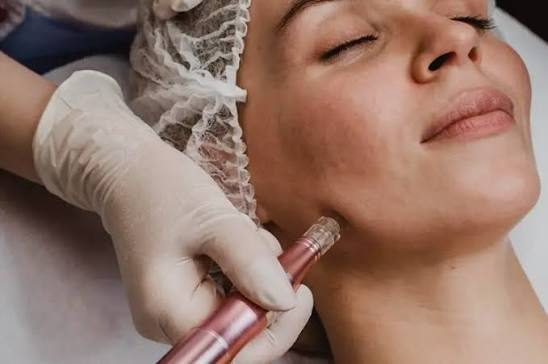
How Can Acne Scar Treatment Improve Skin Texture?
Many professional acne scar procedures work by stimulating the skin's natural repair process. Treatments may create controlled micro-injuries or target specific layers of scarred tissue, encouraging the body to produce new collagen and elastin.
As collagen remodeling takes place, the skin may gradually become smoother and more uniform. The process is not usually instant because new collagen takes time to develop. Instead, improvements often become more noticeable as the skin continues its natural renewal cycle.
Depending on the scar type, treatment may focus on:
Stimulating Collagen Production
Collagen provides structural support for the skin. Acne scars can interrupt the normal organization of this structure, particularly when they are depressed.
Certain procedures stimulate collagen production beneath the skin's surface. Over time, this can help soften the appearance of indentations and create a more even-looking surface.
Resurfacing Uneven Skin
Some acne scar treatments focus on removing or remodeling damaged surface layers. This encourages fresher skin to develop and can improve roughness, irregular texture, and the appearance of superficial scars.
Skin resurfacing may also help create a smoother transition between scarred and unaffected areas.
Remodeling Scar Tissue
Deeper scars may involve fibrous tissue that pulls the skin downward. Specialized procedures can target these structural changes and encourage the tissue to remodel.
This approach can be particularly useful when surface treatments alone are unlikely to address the underlying cause of the indentation.
Which Acne Scars Affect Texture the Most?
Not every acne mark is technically a scar. Dark or red marks left after acne can affect the appearance of the complexion but do not necessarily create a physical change in skin texture.
True acne scars can be broadly divided into different categories.
Atrophic scars are depressed scars that develop because of lost collagen. They include rolling, boxcar, and ice-pick scars. These are among the most common scars associated with uneven skin texture.
Raised scars develop when excess collagen is produced during healing. They can feel firm or elevated compared with the surrounding skin.
Post-acne discoloration can make the complexion appear uneven but generally does not involve the same structural changes as an actual scar.
Identifying the type of concern is important because a treatment designed for pigmentation may not significantly improve a deep indentation, while a collagen-focused procedure may be more appropriate for textural changes.
What Results Can You Expect?
Acne scar improvement is generally gradual. The skin needs time to respond to treatment and produce new collagen, so expecting an immediate transformation may lead to unrealistic expectations.
The outcome can depend on several factors, including:
Type and depth of acne scars
Skin type and individual healing response
Treatment selected
Number of sessions recommended
Existing skin concerns
Consistency with aftercare
Whether new acne continues to develop
Milder textural irregularities may become less noticeable with appropriate care, while deeper scars may require a combination of treatments. In some cases, complete removal of acne scars may not be realistic, but meaningful improvement in smoothness and overall skin appearance can still be possible.
Is Acne Scar Treatment Suitable for Different Skin Types?
People with different skin types may benefit from acne scar treatment, but the procedure needs to be selected carefully. Skin with a higher tendency toward pigmentation, for example, may require particular attention to treatment intensity and recovery.
A professional assessment can help determine whether a particular procedure is appropriate and how it should be customized. Factors such as active acne, sensitivity, previous treatments, pigmentation concerns, and scar depth can all influence the treatment plan.
For people considering Acne Scar Treatment in Dubai, an individualized approach is especially useful because skin can respond differently depending on its condition and characteristics.
Why Is Aftercare Important for Better Texture?
What happens after treatment can influence the overall healing process. The skin may be more sensitive following certain procedures, making appropriate aftercare an important part of the experience.
General aftercare may include protecting the treated skin from excessive sun exposure, following recommended cleansing instructions, avoiding unnecessary irritation, and using suitable skincare products.
Sun protection is particularly important because inflammation combined with ultraviolet exposure can contribute to unwanted pigmentation. Following professional aftercare guidance can help support healthy recovery and protect the improvements achieved through treatment.
Can You Improve Skin Texture Beyond Professional Treatment?
Professional treatment can address structural acne scars, but everyday skincare habits also matter. A consistent routine can support the skin's appearance and help reduce factors that may contribute to future breakouts.
Helpful habits can include:
Cleansing gently without over-scrubbing
Using broad-spectrum sun protection
Avoiding picking or squeezing active acne
Keeping the skin adequately moisturized
Choosing skincare products suited to your skin type
Managing active acne to reduce the risk of new scars
These habits do not replace professional scar treatment, especially for deeper scars, but they can complement an overall skin-improvement routine.
Final Thoughts
So, can acne scar treatment improve skin texture? In many cases, yes. Treatments designed to stimulate collagen, remodel scar tissue, or resurface the skin can gradually reduce the appearance of uneven areas and create a smoother-looking complexion.
The most suitable approach depends on the type, depth, and condition of the scars. With realistic expectations, appropriate treatment selection, and consistent aftercare, Acne Scar Treatment in Dubai can be part of a comprehensive approach to achieving healthier-looking and more refined skin texture.
Frequently Asked Questions
1. Can acne scar treatment completely remove textured scars?Complete removal is not always possible, particularly with deep or longstanding scars. However, appropriate treatment may significantly soften their appearance and improve overall skin texture.
2. How long does it take to see smoother skin?Improvement is generally gradual because collagen remodeling takes time. The timeline varies according to the treatment used and the individual's healing response.
3. Can treatment improve enlarged-looking pores caused by acne?Some procedures that stimulate collagen or resurface the skin may reduce the appearance of enlarged pores while improving overall texture.
4. Can new acne cause more textured scars?Yes. Persistent or inflamed acne can increase the risk of developing additional scars, especially when lesions are picked or squeezed. Managing active breakouts is therefore an important part of long-term scar care.


Comments